
Where Dignity Is Carried
Listening for Echoes

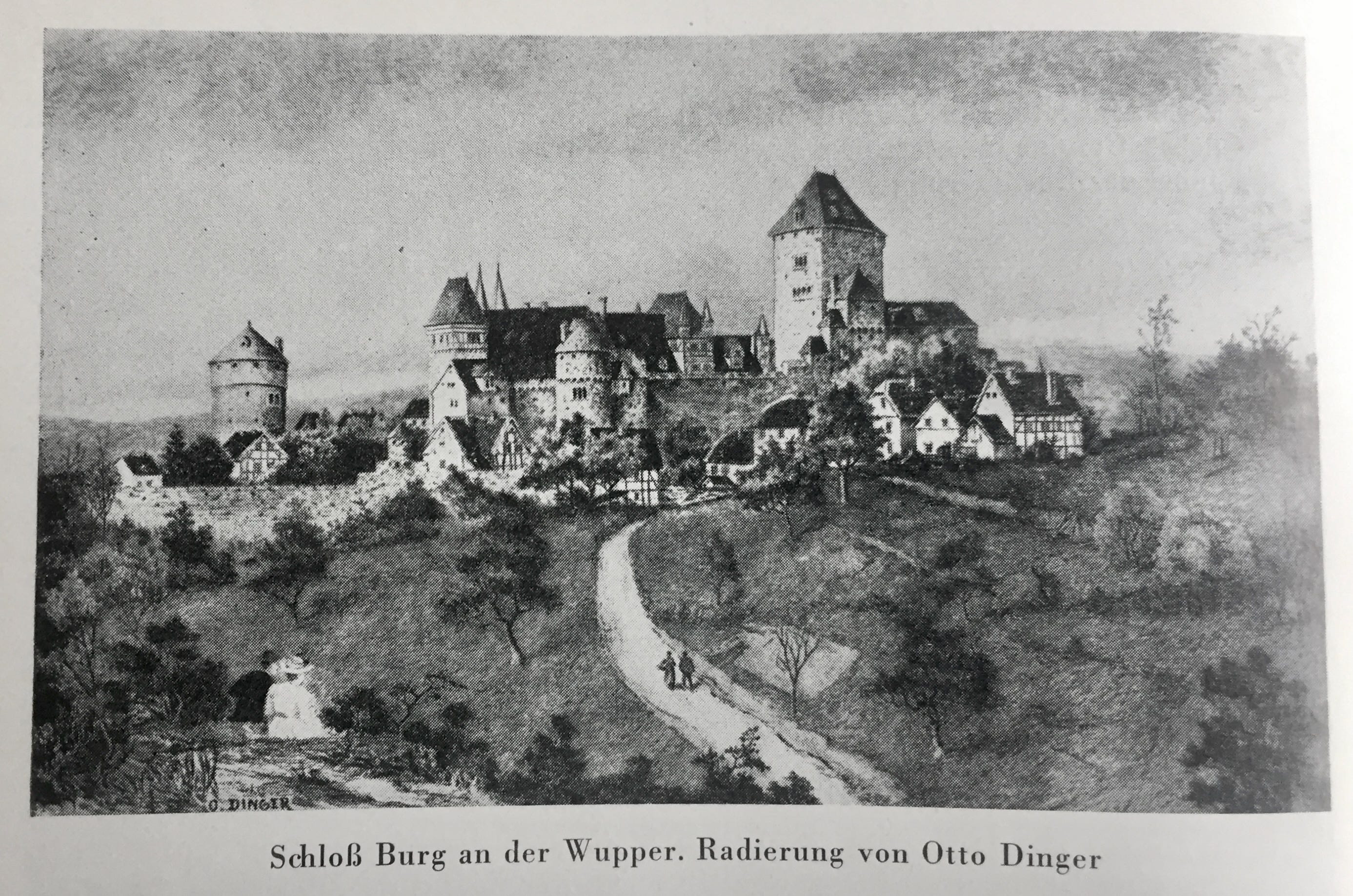
As I wrote about the Duke Of Württemberg, I found myself thinking about my father. In part because they both compensated for not being seen for who they really were. This showed in a tendency toward display. They carried a longing for recognition.
At the same time, they valued what the Dutch call beschaafdheid—a certain grace in how one moves through the world. The Duke pursued refinement through court life, patronage, and display. My father encountered it from a very different position yet recognized and valued many of the same qualities.
He admired beauty, culture, and good manners. He valued elegance, quality and took pleasure in things made well. There was also something genuinely noble in his demeanor: the graceful way he moved, a certain restraint in his speech, the precision with which he dressed. This was true for my mother as well, something I believe they must have recognized in each other.
My parents admired nobility and believed beschaafdheid was inherent. You were born with it. But it was not only about class or status. It was a code of refinement—attention to tone, restraint, beauty, and conduct. They were drawn toward what signified dignity, belonging, and recognition.
What I most remember is their valuing of quality—fabric, furniture, automobiles, the feel and finish of things. We always sat at a fully set table, with tablecloth, napkins, and napkin rings. This was not for show; it was appreciated for its beauty.
Some of that beschaafdheid had to do with politeness, respect for elders, and good manners. We also learned to respond graciously to the needs of others. We were not corrected to be beschaafd so much as shaped by observation—and by comments about people who were grof or gulzig: crude, greedy, too loud, too grasping.
Entering the world of the Württembergs reminded me of something that lives in me—not the wealth, power, or status, but the code of refinement.
At the same time, I notice that as I share about these titled ancestors, I sometimes cringe with embarrassment. The cringe comes from how it may sound now, where what I recognize as refinement can easily be mistaken for pretension.
The cringe is not only about the present. It carries an older tension around status, legitimacy, and being seen. The generation following the Duke introduces a different perspective. Carl Borel, one of the Duke’s illegitimate sons, stood both inside and outside that world of rank and privilege. In later generations, shaped by colonialism and racism, this carries a different form of not being seen, yet also the possibility of seeing differently.
Positioned outside full legitimacy, Borel may have been less bound by those hierarchies and more able to recognize refinement—beschaafdheid—where others did not.
It is strange to find myself writing simultaneously about dukes and court singers, njais (Indonesian women who entered informal unions with European men), illegitimate sons, corvéed laborers, and stratified status within a colonial system. And perhaps that is precisely the inheritance. My family story contains both refinement and exclusion, privilege and marginality. The tension I feel may simply be what happens when those histories meet in the same body.
With Carl Borel, the story leaves the palace and enters the wider world.
©2026 Astrid Berg